Category
Case Studies
Publish Date

30–40% of Fashion Inventory Becomes Inefficient
In global apparel:
~30–40% of inventory is sold at deep discounts, remains unsold, or is written off
Demand forecasting remains intuition-led
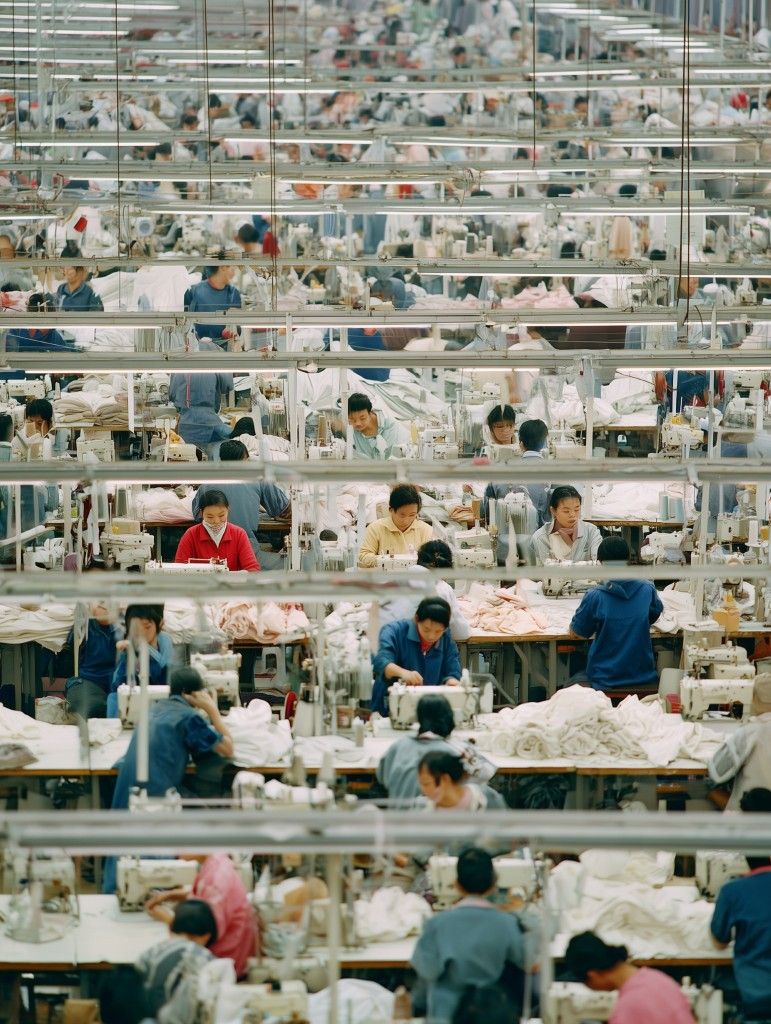
Long production cycles cause supply-demand mismatch
Inventory ties up working capital and compresses margins
Fashion doesn’t fail because of demand.
It fails because of misaligned supply.
Real-World Evidence
Even large global leaders face structural inventory pressure:
H&M reported ~$4B+ unsold inventory during peak imbalance years
Zara regularly manages aggressive markdown cycles to protect sell-through
Online fashion sees high return rates due to sizing and demand miscalculation
This is not a small brand issue.
This is a system-level inefficiency.
Why This Happens
Forecasting relies on historical trends, not real-time demand signals
45–60 day design-to-shelf cycles
Manufacturing and brand planning operate in silos
Overproduction to “avoid stock outs”
The result:
Cash stuck in inventory
Margin erosion
Working capital pressure
Waste & discounting cycles

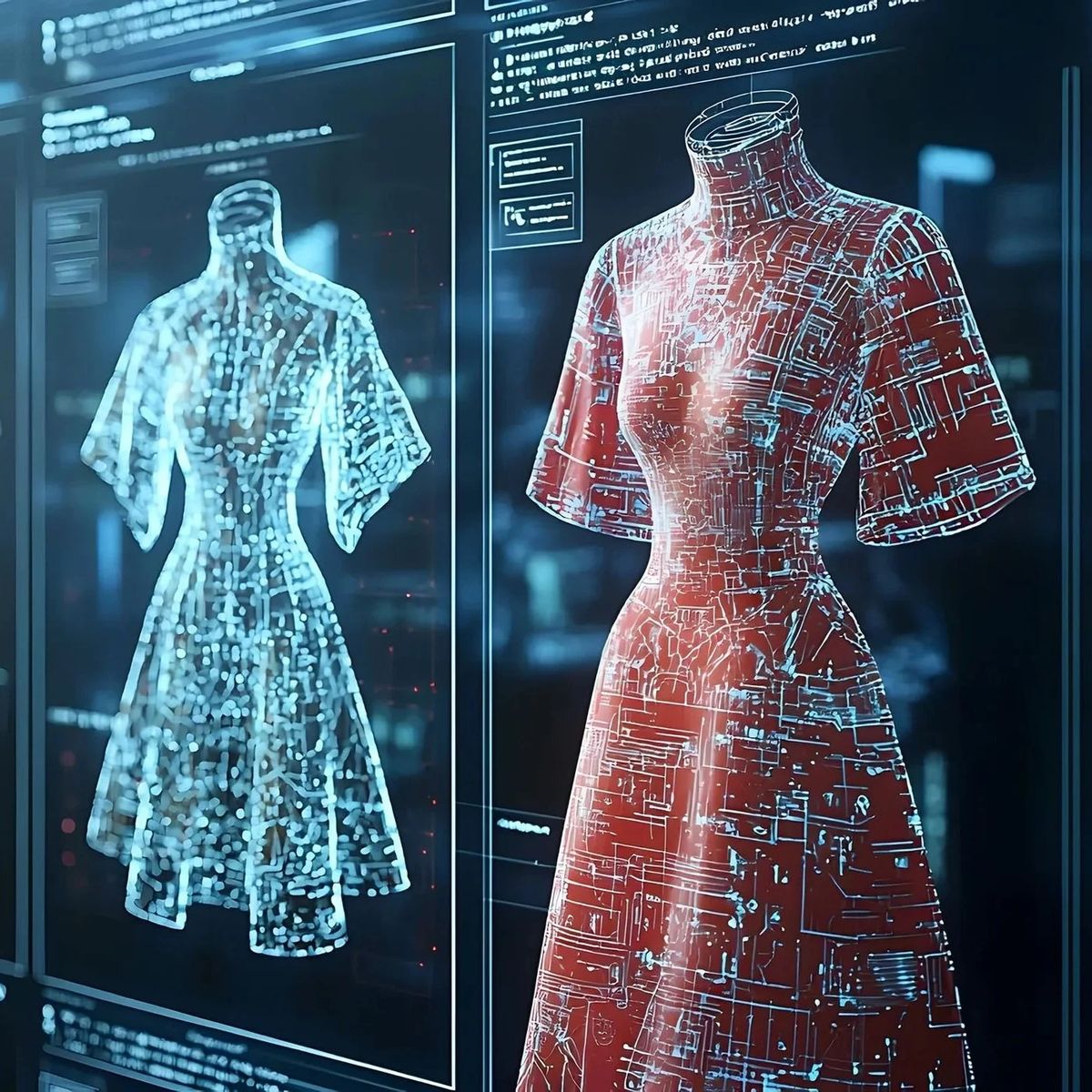
ADPL is an AI-Integrated Fashion Company
Fashion today runs on assumptions.
ADPL runs on data.
1. Centralised Data Engine
ADPL aggregates real-time data from:
B2B order flows
D2C website transactions
Marketplace performance
SKU-level sell-through
Return behaviour
Fabric consumption patterns
This creates a live demand map.
Decisions are not guessed. They are calculated.
2. AI-Led Forecasting & SKU Intelligence
Our system analyses:
Style velocity
Size-level movement
Color trends
Region-specific demand
Price elasticity
Output:
What to produce
How much to produce
When to replenish
When to stop
Impact:
Reduced dead inventory
Controlled production
Higher sell-through
3. AI-Integrated Manufacturing Planning
Production is linked to live demand signals.
Capacity optimisation
Batch planning
Fabric allocation
Margin-based SKU prioritisation
Instead of:
Produce → Push → Discount
We do:
Predict → Produce → Optimise
4. AI-Enabled Consumer Layer
Virtual Try-On
AI CRM (Nora)
Return pattern tracking
This feeds back into:
Size calibration
Design corrections
Fit improvements
Customer data improves production accuracy.
5. The ADPL Data Flywheel
Demand Data
→ AI Forecast
→ Smart Production
→ Optimised Sell-Through
→ Margin Intelligence
→ Refined Forecast
Each cycle reduces inefficiency.
“ADPL is not using AI as a feature. AI is the operating core of our business.”
Most brands:
Use AI only for marketing
Use ERP only for accounting
Use Excel for planning
ADPL:
Uses AI for demand creation
Uses AI for production planning
Uses AI for margin expansion