Category
Design Futures
Publish Date
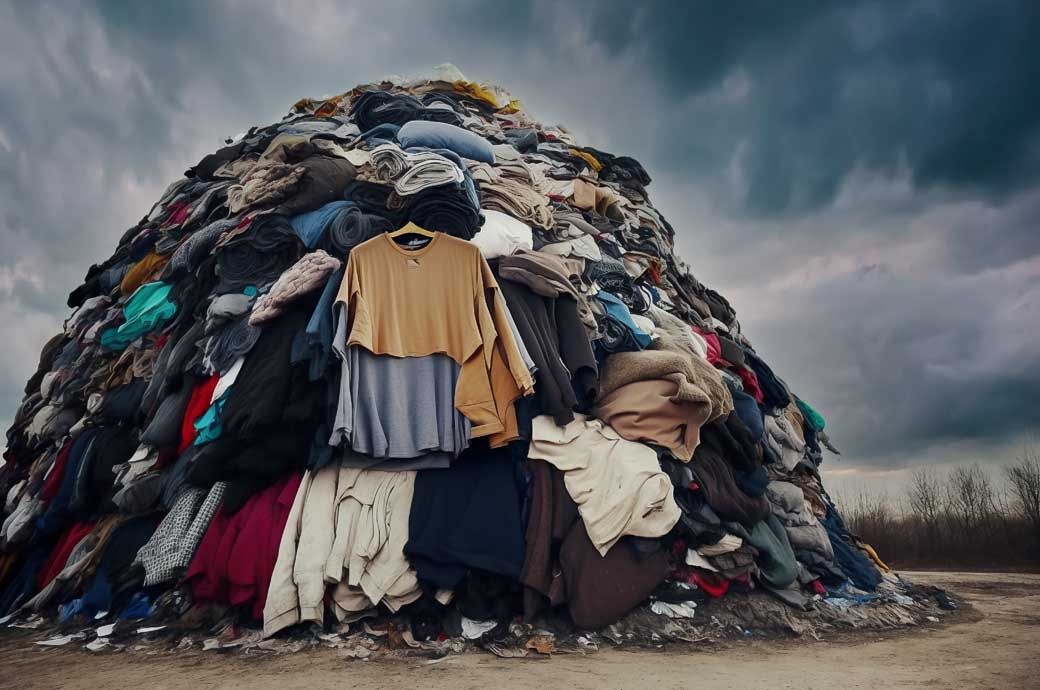
“Fashion is broken at scale” is very real.
1. Forever 21
What went wrong:
Rapid global expansion without demand accuracy
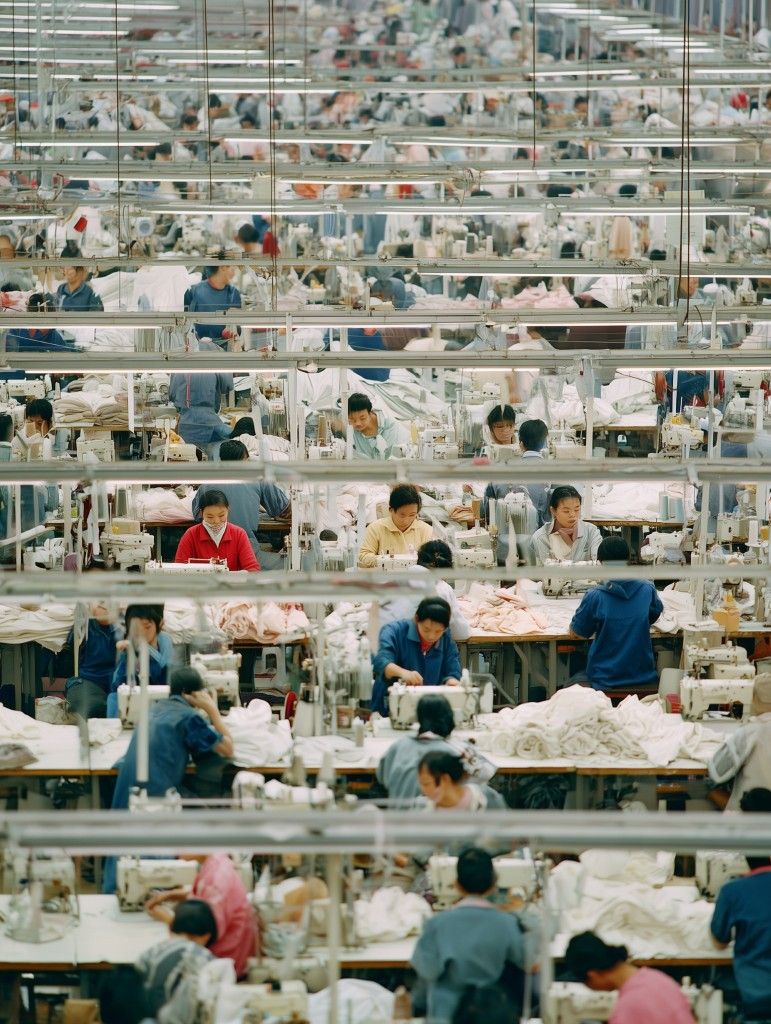
Large-scale production based on trend assumptions
Slow response to changing consumer preferences
Outcome:
High levels of unsold inventory
Rising operational and rental costs
Filed for bankruptcy in 2019
This shows how scaling without precise demand forecasting can destroy profitability.
2. GAP Inc.
What went wrong:
Over-reliance on mass-produced, generic designs
Failure to adapt quickly to changing fashion tastes
Overproduction across multiple seasons
Outcome:
Closure of hundreds of stores worldwide
Significant inventory write-downs
Long-term financial losses
Scale reduced agility and relevance.
3. ZARA (COVID-19 impact)
What went wrong:
Global scale limited flexibility during sudden demand collapse
Inventory was already produced when stores shut
Outcome:
Over €1 billion loss in 2020
Closure of more than 1,200 physical stores
Even strong fast-fashion models struggle when scale outpaces real-time demand signals.
4. Shein-style brands (ongoing risk)
What’s breaking now:
Ultra-scale, ultra-fast production
Rising returns, waste, regulatory pressure
Thin margins + logistics cost explosion
Risk:
Model works now, but fragile at massive scale
Outcome:
Store shutdowns
Persistent losses prior to the group’s collapse
Why Fashion Fails at Scale
Trend cycles are shorter than production cycles
Forecasting errors grow exponentially with volume
Inventory, returns, and markdowns erode margins
Large systems slow down decision-making and creativity