Category
Workflow & Process
Publish Date

Trend Forecasting Is Intuition-Led
What It Means
In many fashion companies, trend forecasting is still driven by human intuition, past experience, and subjective judgment rather than real-time consumer data. Designers and merchandisers predict trends months in advance, which creates high risk when consumer behavior changes unexpectedly.
Why Intuition-Led Forecasting Fails
1. Long Guesswork Cycles
Trends are predicted 6–12 months ahead, leaving little room to correct mistakes once production begins.
2. Limited Consumer Signal
Decisions rely on runway shows, trend agencies, and past sales instead of live customer demand.
3. Scale Amplifies Error
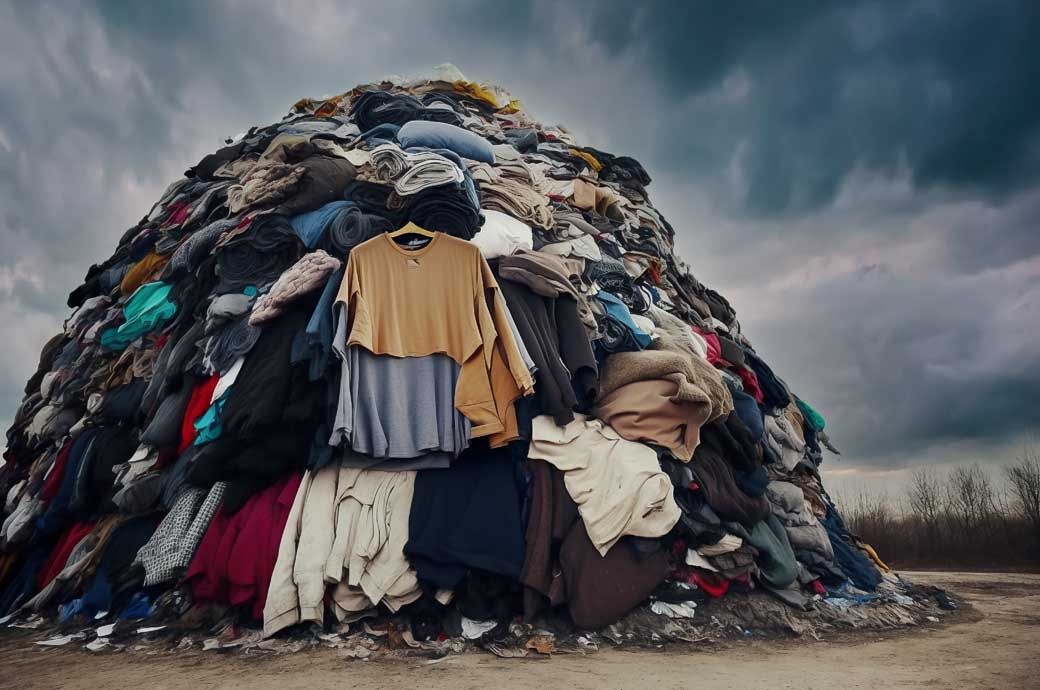
A small forecasting mistake becomes a massive loss when produced across thousands of stores.
Brand Loss Examples
1. H&M
Issue:
Trend decisions based on seasonal planning rather than real-time demand
Loss Impact:
Reported over $4 billion in unsold inventory (2018)
Heavy markdowns directly linked to misforecasted styles
H&M publicly admitted forecasting errors and shifted to AI-driven planning.
2. GAP Inc.
Issue:
Repeated misreading of fashion cycles
Designers pushed styles that failed to resonate with customers
Loss Impact:
Multi-year revenue decline
Billions lost due to unsold apparel and markdown dependency
3. Adidas (Yeezy inventory case)
Issue:
Demand projections built on brand hype and intuition
Poor scenario planning when partnerships collapsed
Loss Impact:
Over €500 million worth of unsold Yeezy inventory (2023)
Shows how intuition-based demand assumptions can fail dramatically.
4. Marks & Spencer (Apparel)
Issue:
Internal intuition outweighed customer data for years
Loss Impact:
Persistent clothing inventory write-downs
Required complete reset of fashion buying strategy
Business Impact of Intuition-Led Forecasting
High inventory risk
Forced markdowns reduce profitability
Slow reaction to trend reversals
Weak alignment with actual consumer demand
Conclusion
Intuition-led trend forecasting may work at small scale, but it breaks down in large fashion systems. When brands rely on gut feeling instead of real-time data, forecasting errors multiply into massive inventory losses and margin erosion. The financial setbacks faced by H&M, GAP, and Adidas prove that fashion brands must shift from intuition to demand-driven, data-backed forecasting to remain profitable at scale.